

The Website Redesign Trap
December 5th, 2027 by admin
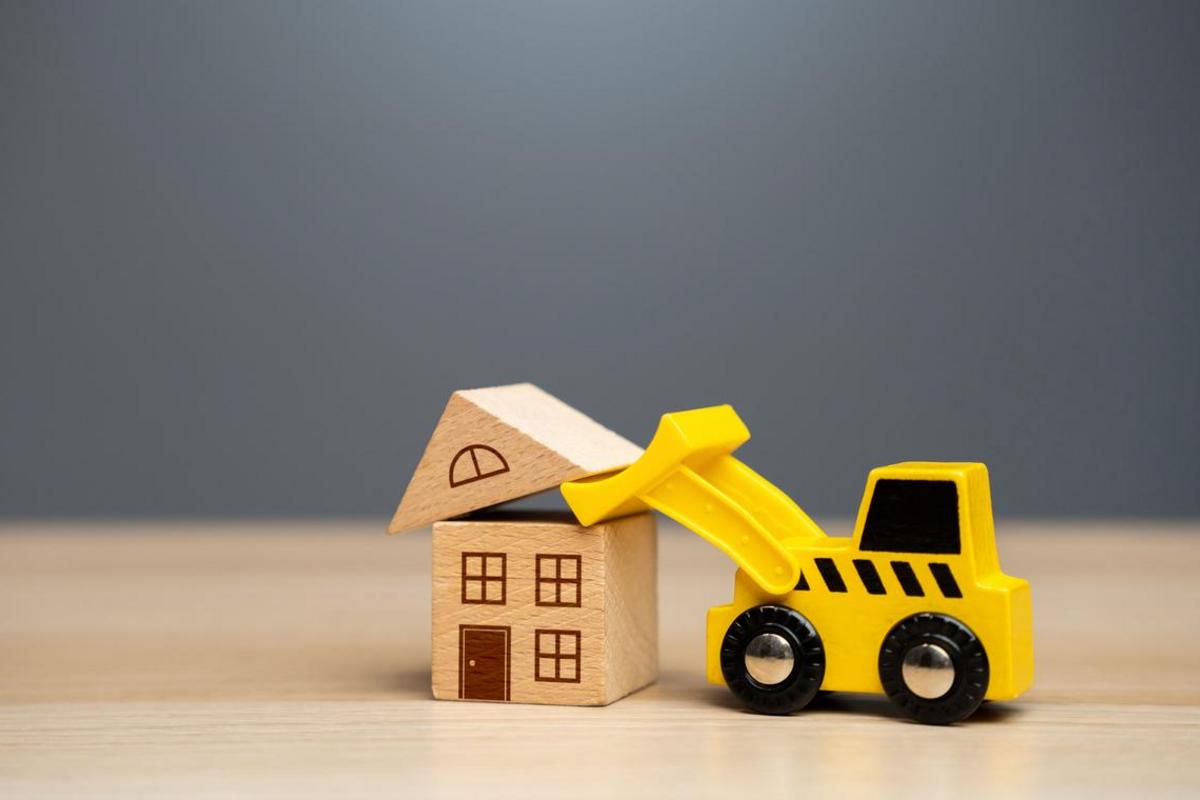
Some version of this conversation happens every week. A business owner says the website feels old, or a competitor just launched something new, or the site does not bring in the calls it used to. The conclusion is always the same: we need a redesign.
Sometimes that is true. Sometimes the website needs a new foundation. But a full redesign is the most expensive, slowest, and riskiest way to fix a website, and it is often aimed at the wrong problem.
The Feeling Behind the Request
"We need a new website" usually means something more specific. It can mean:
- I am embarrassed to send people to this site.
- It looks old compared to everyone else.
- Nobody can find us in search.
- The phone does not ring like it used to.
- I cannot update it without calling someone.
- It does not work on a phone.
Those are six different problems. A redesign might fix two of them and make the other four worse. Before you approve a rebuild, get specific about which one you are actually trying to solve.
What a Full Redesign Throws Away
A redesign is not just new colors. It replaces the structure, the content, the addresses, and often the platform underneath. Some of what it throws away is valuable.
Your site may have pages that rank in search and bring in visitors every month. It may have links from other websites that point to specific pages. It may have years of content that customers still read. It may have a layout your regular customers already know how to use.
None of that shows up in a design mockup. All of it can disappear in a rebuild if nobody is paying attention.
That is the trap. The new site looks better, but the traffic goes down and the phone gets quieter, and nobody connects the two because the launch felt like a success.
Start With an Audit, Not a Design
Before you decide what to change, find out what is working. That means looking at the site as it is today:
- Which pages bring in the most visitors?
- Which pages bring in the most inquiries?
- Which pages never get read?
- Where do people leave?
- What are customers asking for that the site does not answer?
- Which links from other sites point where?
A good audit turns "the site feels old" into a list of specific problems. Some of them will be design problems. Many will be content, structure, or speed problems that a redesign alone would not fix.
Improve in Stages
Most websites do not need to be rebuilt all at once. They need a series of smaller, safer improvements.
Fix the homepage message first, because that is where most people decide whether to stay. Then fix the path to contact, because that is where interest turns into a conversation. Then update the pages that get the most traffic. Then retire the pages nobody reads.
Each change can be measured. If something makes things worse, you can undo it. That is much harder when the whole site changes on one day.
Change the Foundation Last
Sometimes the platform really is the problem. It is slow, insecure, hard to update, or impossible to extend. In that case, a rebuild may be the right answer.
But even then, the content and the structure should be decided before the new platform is chosen. The platform serves the site, not the other way around. Starting with a new system and fitting the business into it is how redesigns go over budget.
Keep Your Addresses
If you do rebuild, keep the addresses of your important pages the same. If an address has to change, redirect the old one to the new one. This is the single most common way a redesign loses search traffic, and it is entirely preventable.
Make a list of your top pages before the project starts, and check every one after launch. A redirect map is not glamorous, but it protects the work you already paid for.
Measure Before and After
Write down a few numbers before the redesign: monthly visitors, inquiries, phone calls, sales. Then check them again three months after launch.
Without a before picture, you will only have a feeling. With one, you can tell whether the redesign actually helped or just looked different.
A Redesign Is a Tool, Not a Strategy
A new website can be a good decision. It is not a strategy on its own. If the message is unclear, the offer is not compelling, or nobody can find the site, a fresh design will not fix any of that.
The businesses that get the most from a redesign are the ones that know what they are trying to change. They have a list, a reason, and a way to measure whether it worked.
If you are thinking about a redesign, we are happy to look at your current site first and tell you what we would actually change. Sometimes that is a rebuild. Often it is something smaller. Our custom website design work starts with that conversation. Get in touch and we will give you a straight answer. Because at the end of the day, we don't just build websites - we build your business.